
What players say
Spinner Arcade Challenge strips the arcade formula down to a single decision: how to divide points between spin speed and spin duration. Because scoring rewards both, neglecting either caps your ceiling, and the ideal ratio shifts as you upgrade. The lack of a fail state means every spin funds progress, which suits casual players. Score-chasers get a reason to keep refining their split. The minimal presentation keeps focus on the numbers, though players wanting varied mechanics may find the loop narrow.
About this game
One Tap, Two Scoring Variables
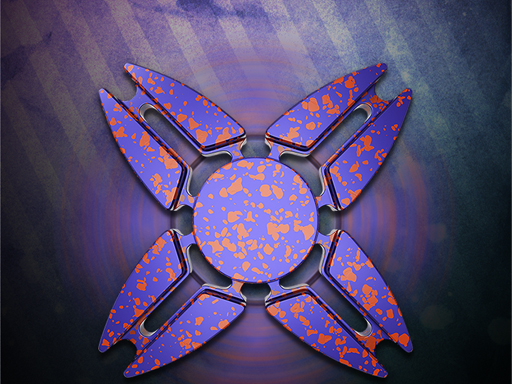
Every round of Spinner Arcade Challenge starts with the same action: click or tap to launch the spinner. Points are awarded from two separate attributes — how fast the spinner rotates and how long it keeps moving. A fast spin that stops quickly and a slow spin that lasts a while can both produce useful scores, but the highest totals come from improving both attributes together. The scoring system treats speed and duration as complementary stats rather than competing ones.
The Upgrade Shop Decision
After a spin ends, accumulated points can be spent in an upgrade shop. Two upgrade paths exist: one raises spinning speed, the other extends spin duration. Neither upgrade is inherently better. Putting all points into speed creates short bursts that earn quickly but fade fast; focusing only on duration produces long, slow rotations with lower per-second returns. The real decision is how to split resources between the two. Players who experiment with different ratios will find that the ideal balance shifts as their total upgrade level rises.
Endless Sessions, Simple Controls
There is no fixed endpoint. The endless format means a session can last one spin or dozens, depending on how long you want to keep upgrading and chasing a personal best. Controls are limited to a single click or tap, so the game runs the same on desktop, tablet, and phone. The visual style is minimal and uncluttered, which keeps attention on the spinner and the upgrade numbers rather than on decorative elements.
Why the Loop Holds Up
The game does not demand fast reflexes or complex strategy. Success comes from reading how the two upgrades interact and adjusting your spending accordingly. That makes it approachable for casual players while still giving score-chasers a reason to keep refining their upgrade ratios. The absence of a fail state means every session contributes something — even a low-scoring spin funds the next upgrade.
Compatibility
FAQ
Player Comments
Sign in to comment
You must be logged in before posting a review or rating.
No comments yet. Be the first to comment!


Editorial Notes